
Review · COLOMBO TEMPLE & HERITAGE TOURS
Negombo Heritage Walking Tour
Negombo’s story is easiest to understand on foot, where a Hindu temple, fruit market, fish stalls, Dutch ruins, Catholic churches, and fishing boats all sit within a compact route. This three-hour walk gives you a useful first look at the city’s mixed cultural life without taking up a full day.
I like the route for two clear reasons: the local markets feel practical rather than staged, and a Negombo-born guide such as Shashi can connect ordinary sights with local customs and history. I also like the gentle pace, which leaves room for questions and quick photographs.
The main drawback is the heat. By noon, the walk can feel hard, especially along exposed roads near the coast. Snack service also needs a little caution, since one recent booking did not receive the advertised refreshments.
Key points at a glance
- Start at a colorful Hindu temple: Sri Mutthu Mari Amman Temple introduces Negombo’s Tamil Hindu traditions.
- Walk through working food markets: See fruit and vegetable stalls, the famous Lellama fish market, and dry fish processing.
- Follow King George’s Drive: The road runs beside the sea and local fishing activity.
- See several faiths in one short route: The walk includes a Hindu temple, St. Stephen’s Church, and St. Mary’s Cathedral.
- Finish with Dutch and lagoon history: The old Dutch Fort area and Kothlawala Bridge provide strong photo stops.
- Go early if you can: The heat becomes a real factor by midday, so ask for a morning start.
Why Negombo Works So Well on Foot
Negombo is often used as a first or last stop near Colombo’s airport, but it deserves more than a hotel night and a quick transfer. Its past is written across a small area: fishing communities, Portuguese and Dutch influence, Catholic churches, Hindu worship, local commerce, and lagoon life.
This walk gives you that range in a short time. You are not simply moving from one monument to another. You are watching produce sellers work, passing the places where fish are processed, and seeing boats gathered near the lagoon.
The route is also a good fit if you have only a morning or afternoon in town. At $14 per person, the cost is modest for three hours with a guide, particularly if you want context rather than a self-guided stroll with a few photographs.
You should think of this as a neighborhood walk with historical stops, not a polished sightseeing circuit. Roads can smell strongly of fish, market areas can be crowded, and some sites are more atmospheric than grand. That is part of the point.
More Temple & Heritage Tours in Negombo
- Minneriya Elephant Safari wth Sigiriya & Dambulla Cave Temples Full Day Tour
★ 5.0 · 18 reviews - Negombo Private Tour: Market, Temples & Canal
★ 4.9 · 15 reviews - Heritage & Cultural Walk in Negombo
★ 5.0 · 11 reviews
Starting at Sri Mutthu Mari Amman Temple
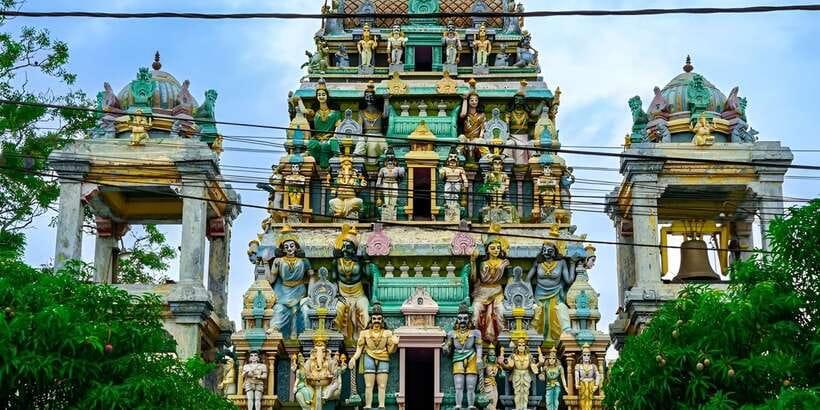
Meet the guide in front of Sri Mutthu Mari Amman Temple on Sea Street. This is a useful starting point because it immediately puts Negombo’s Hindu heritage in view.
The temple helps set up the central idea of the walk: Negombo is a multicultural city, not a place with one single religious or colonial identity. Your guide explains the setting before you head into the nearby market area.
You should dress respectfully for a religious site and bring sunscreen and sunglasses. The supplied information does not specify a formal dress code, but modest clothing is a sensible choice when visiting any temple or church.
The first walking section is short, about 15 minutes, and works as an easy introduction. Use it to ask your guide about the route, the city, and which stops will receive the most explanation. One useful improvement would be a clear route overview at the beginning, so do not hesitate to ask for one.
The Fruit and Vegetable Market
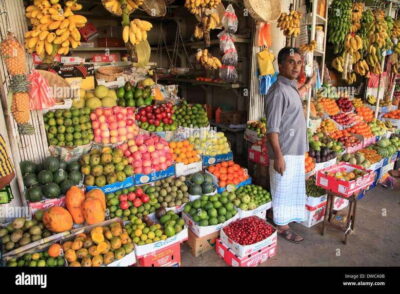
From the temple, the walk continues through a local market where vendors sell fruit and vegetables from open stalls. This is one of the most useful parts of the experience for anyone who wants to understand daily life in Negombo.
You can expect a working market rather than a display designed for sightseeing. The value here is in seeing what people buy, how produce is arranged, and how commerce fits into the street scene.
Your guide can also help with questions about local food, spices, and cooking traditions. Guides such as Shashi have been praised for explaining those ordinary details in clear English and for making space for questions.
The market visit is brief, so you will not have endless time to browse. That is helpful for the overall pace, but it means you should keep your camera ready and avoid expecting a long shopping stop.
King George’s Drive and the Dry Fish Center
The route then reaches King George’s Drive, named after King George’s visit to the city. The road runs parallel to the Indian Ocean and passes an area connected with fishing and dry fish production.
This is where the walk becomes particularly direct. Dry fish is an important part of local food culture, but the processing area comes with a strong smell. The description of the tour is not coy about this, and neither should you be.
If you are sensitive to odors, this may be the least comfortable part of the route. For many people, though, it is also one of the most memorable because it shows how food reaches local kitchens rather than presenting only the pleasant side of a coastal town.
The road also gives you a look at anglers and fishing activity. You may see boats and working areas rather than a neat waterfront promenade. Keep your expectations practical: this stop is about seeing a real part of the city, not finding a quiet beach viewpoint.
More temple and heritage tours in Negombo:
- Sigiriya Rock and Dambulla Cave Temples from Negombo (All inclusive day tour)
★ 5.0 · 7 reviews - 7 Days Sri Lanka Tour Chauffeur Wildlife and Heritage Adventure
★ 5.0 · 6 reviews - 10 Days/ 9 Nights – Heritage Wildlife and Waves in Sri Lanka
★ 5.0 · 6 reviews - From Colombo: Kandy Temples and Pinnawala Full-Day Tour
★ 4.6 · 144 reviews
Lellama Fish Market
The fish market, known as Lellama, is another major stop. The visit lasts about 20 minutes and includes guided sightseeing and walking.
Lellama adds a second layer to the dry fish center. You first encounter preservation and processing, then see the market where fish are handled and sold. Together, the stops explain why fishing is so central to Negombo’s identity.
This is a place where the senses do much of the work. Expect fish smells, wet surfaces, activity, and a setting built for trade. Wear shoes with a secure grip and avoid bringing anything you would dislike getting splashed, though the tour information does not promise specific conditions.
A guide matters here. Without explanation, you might see only stalls and boats. With context, you can better understand the relationship between the coast, the lagoon, fish sellers, and local food.
The Dutch Fort and Kothlawala Bridge
The old Negombo Dutch Fort comes next. The fort itself is not a large, intact European stronghold, so you should not book this expecting a grand ruin on the scale of a major colonial city.
Its value is historical and geographical. The fort area helps explain Negombo’s colonial past and its importance as a coastal settlement. The route also passes near the prison, adding another layer to the area before reaching the old fort setting.
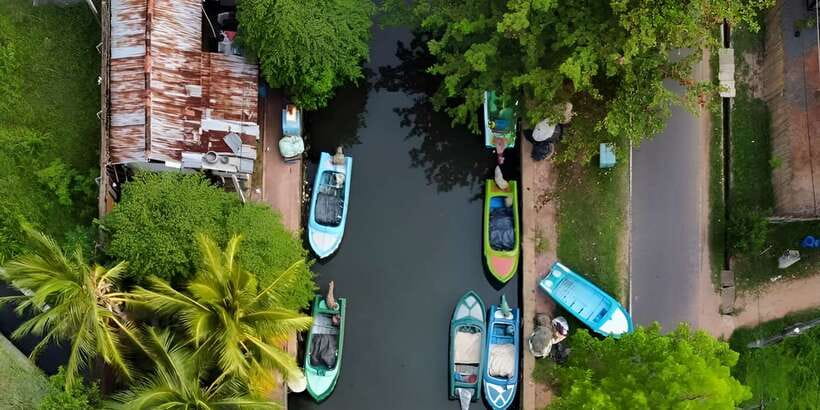
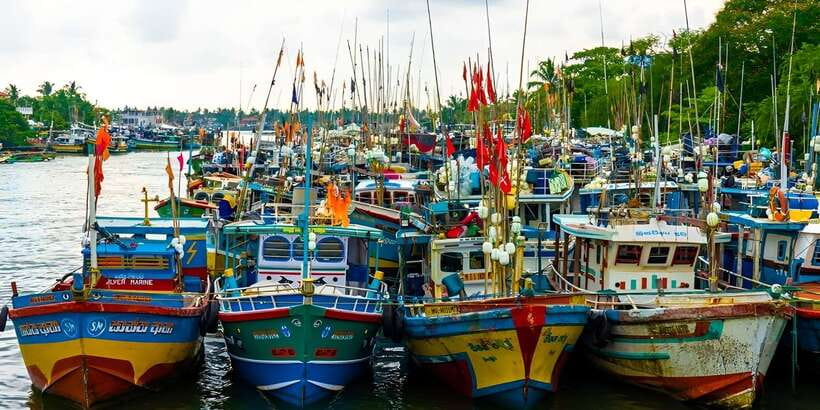
A particularly good photograph comes at Kothlawala Bridge, where you can look toward fishing boats. The stop at Negombo Lagoon is scheduled for about 20 minutes, giving you time to take in the water and boat activity.
This is one of the more relaxed parts of the walk. After the markets and fish center, the lagoon provides a change of pace. You can ask your guide about the boats, local fishing, and how the lagoon connects with the town.
Do not expect a long waterfront break. The route is still moving, and the bridge is a sightseeing stop rather than a dedicated photo session. Still, it gives you one of the clearest images of Negombo as a fishing city.
St. Stephen’s Church and St. Mary’s Cathedral
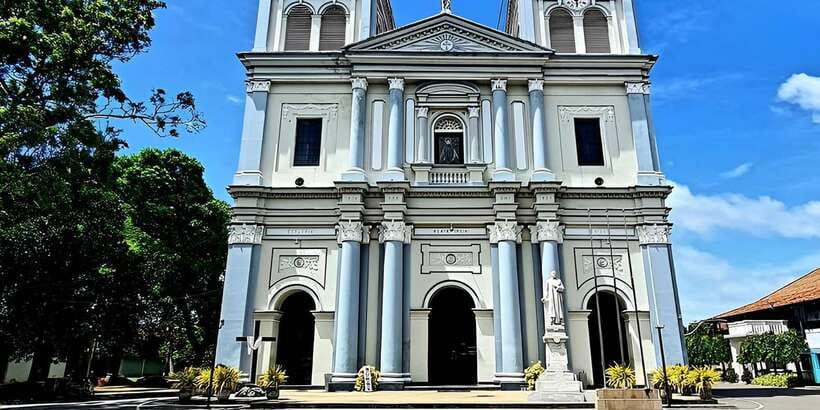
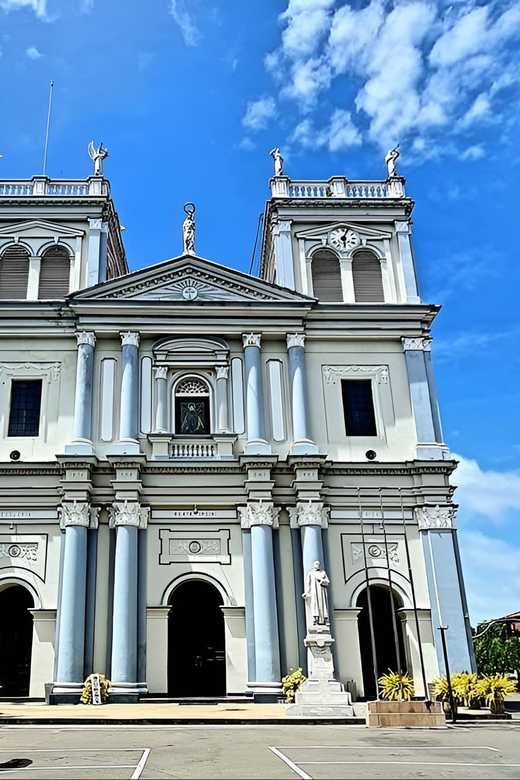
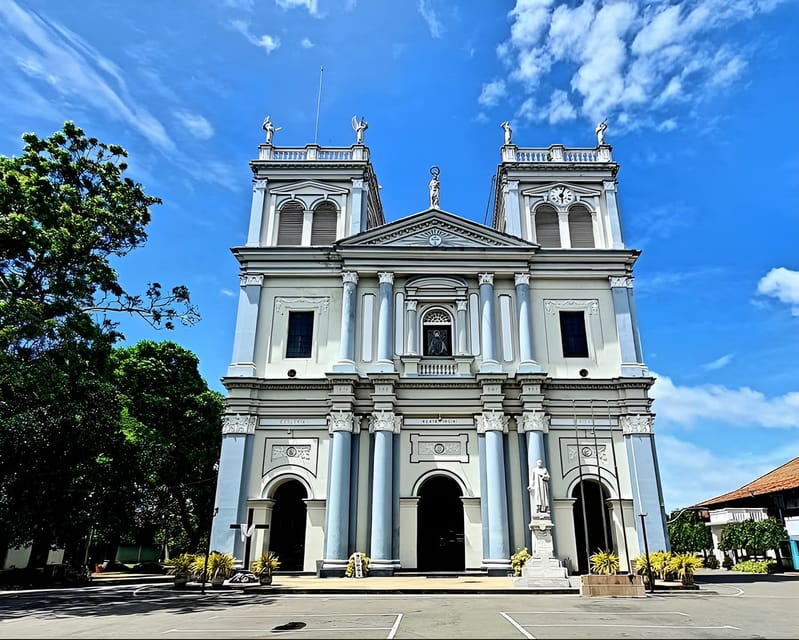
The route includes Old Negombo’s St. Stephen’s Church and later St. Mary’s Church, also identified as St. Mary’s Cathedral in the tour details. The religious stops help balance the Hindu temple at the start.
Negombo has a strong Catholic presence, and the churches show how different religious traditions exist within the same urban area. Your guide can help connect the buildings with the wider story of the city instead of treating them as isolated photo stops.
The church visit is scheduled for about 20 minutes. That is enough for a look and an explanation, but not a long architectural study. If religious buildings are a major interest for you, ask the guide which church will receive more attention before setting off.
After the church visit, you can have quick Sri Lankan spicy snacks or sweets with refreshments. This is a welcome pause after walking through the markets and coastal areas. The offering is described as a snack-tasting menu, not a full meal, so plan lunch separately.
One practical point matters here: the advertised snacks were not provided on one recent booking. Most descriptions of the experience include them, and the snack stop is part of the appeal, but I would confirm the refreshment plan after booking.
Pace, Heat, and Walking Comfort
The tour lasts three hours and uses walking sections of roughly 15 to 20 minutes between main stops. It is not described as a strenuous hike, and the pace has been adjusted for questions and sightseeing.
Heat is the real challenge. One participant specifically found that the walk became tough by noon, and that is useful advice even if you normally handle city walking well. Ask for an early start whenever possible.
Bring:
- Sunglasses
- Sunscreen
- Comfortable walking shoes
- Water, even though refreshments are included in the plan
The meeting point is easy to identify: the guide waits in front of the Hindu temple. You are asked to get in touch after booking to arrange a convenient starting time. That flexibility is helpful, since an early departure can make a major difference.
The guide speaks English or Hindi. Shashi is one guide named in the experience feedback, and he has been praised for being friendly, patient, and willing to adjust the discussion to specific interests. Since guide assignment can vary, do not assume Shashi will lead every departure.
What the Guide Adds
This walk depends heavily on the guide. The markets and waterfront can be visited alone, but you would miss much of the connection between the places.
The best guiding here is conversational. You can ask about food, spices, traditions, religious life, fishing, and colonial names such as King George’s Drive. A local guide can also point out details that are easy to overlook, including the role of the fish market and the way several faiths share the same city.
The tour is available in English and Hindi. The English-speaking guides are described as clear and helpful, and the strongest feedback focuses on explanations of local food, traditions, and history.
There is one logistical warning. A replacement guide once arrived 30 minutes later than the arranged time after the first guide became ill. That kind of delay may be unusual, but if your schedule is tight, allow some flexibility and contact the provider before the tour.
Does the $14 Price Make Sense?
At $14 per person, this is a good-value introduction to Negombo if you want a guide and do not need private transport. You receive about three hours of local explanation, a multi-part route, and planned snack tasting and refreshments.
The value is strongest for first-time visitors who would otherwise spend the same time walking without knowing what they are seeing. The route covers markets, fish processing, colonial remains, the lagoon, and religious buildings in one outing.
It is less valuable if you are looking for a private historical tour with extensive time inside each monument. The stops are short, and the experience is more about seeing how the city fits together than studying one site in detail.
Since the tour is walking-based, there is no transport cost built into the price. That keeps the fee low, but it also means the experience is affected by sun, smells, street conditions, and the guide’s timing.
Free cancellation is available up to 24 hours before the start, and you can reserve while paying later. Those terms make it easier to fit the walk around flights and changing plans.
Who Should Book This Walk?
I would choose this experience if you are staying in Negombo, arriving before check-in, or spending a final morning near the airport. It gives you useful city context without requiring a full-day commitment.
It suits people who enjoy markets, food culture, religious buildings, local history, and ordinary streets. It also works well for anyone who wants to ask questions instead of reading a guidebook while walking.
Families with older children may appreciate the short sections and variety of stops, though the fish market and dry fish center can be intense for younger children or anyone sensitive to smells.
You should think twice if you dislike heat, crowded markets, strong odors, or walking on working streets. In that case, the early start becomes essential, and you may prefer a shorter private visit to one or two sites.
My Call: A Useful First Look at Negombo
I recommend the Negombo Heritage Walking Tour for a first visit, especially at the beginning of a Sri Lankan trip. The route gives you a quick understanding of how Hindu, Catholic, colonial, fishing, and market traditions meet in one city.
Book it for the morning, confirm the start time, and check that the snack stop is still planned. If you want a polished monument tour, this is not the right choice. If you want to see the working side of Negombo and hear how the city makes sense from someone local, the $14 price is fair.
FAQ
How long does the Negombo Heritage Walking Tour last?
The tour lasts three hours, including guided walking and sightseeing at the temple, markets, Dutch Fort area, lagoon, and church.
Where does the tour start and finish?
It starts and finishes at Sri Mutthu Mari Amman Temple on Sea Street. The guide waits in front of the Hindu temple.
Which languages are available?
The tour provides live guiding in English and Hindi.
What places are included?
The route includes Sri Mutthu Mari Amman Temple, the local fruit and vegetable market, the dry fish center, Lellama fish market, the old Negombo Dutch Fort, Negombo Lagoon, Kothlawala Bridge, St. Stephen’s Church, and St. Mary’s Church or Cathedral.
Are snacks and refreshments included?
Yes. A snack-tasting menu with Sri Lankan spicy snacks or sweets and refreshments is included in the tour information. One recent booking did not receive the advertised refreshments, so confirm this after booking.
What should I bring?
Bring sunglasses and sunscreen. Comfortable walking shoes and water are also sensible for a three-hour walk, particularly if you choose a later start.
More historical trips around Negombo
- 6-Day Sri Lanka Heritage Private Tour
★ 5.0 · 31 reviews - Sri Lanka Private 3-Day Cultural Tour, 5 UNESCO Sites
★ 4.4 · 14 reviews - Colombo Heritage &Culture City Tour by Tuk Tuk ALL INCLUSIVE
★ 4.8 · 12 reviews - Colombo City Tour With Historical Places ( All Inclusive )
★ 5.0 · 5 reviews
More walking tours in Negombo
- Colombo Walking Tour with Ajeet De Soyza
★ 5.0 · 43 reviews - Glimpse Of Colombo City Walk
★ 4.5 · 11 reviews - Colombo Social and Political Walk
★ 5.0 · 4 reviews
Recently added around Negombo
- 9 Days Guided Tour Through Sri Lanka★ 5.0 · 4 reviews
- Wonderful Srilankan 14 Days Tours★ 5.0 · 6 reviews
- Pinnawala private day trip from colombo or negombo★ 5.0 · 4 reviews
- The Most popular Personalized round Tour In Sri Lanka-Day Charged★ 5.0 · 6 reviews
- Transfer between Colombo (CMB) Airport and Galle Face Hotel★ 5.0 · 4 reviews
- Ten Days Scenic Sri Lanka★ 5.0 · 3 reviews
- Private Tour Experiences Across Sri Lanka★ 5.0 · 4 reviews
- 08 Days private round trip in Sri Lanka★ 4.5 · 3 reviews
Colombo Temple & Heritage Tours, compared.
Sigiriya Rock Fortress and Cave Temples Day Trip
Read our review →
5 Day Sri Lanka Tour : Including Temple of Tooth & Sigiriya Trip
Read our review →
Shore Excursion Kelaniya Temple & Colombo City Tour
Read our review →
Minneriya Elephant Safari wth Sigiriya & Dambulla Cave Temples Full Day Tour
Read our review →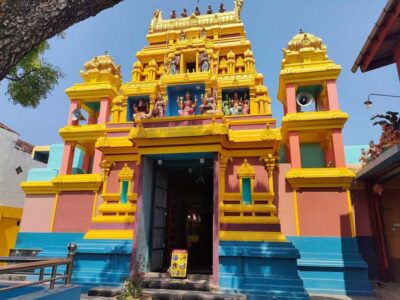
Browse the lists this tour appears in