
Review · COLOMBO WALKING TOURS
Colombo Social and Political Walk
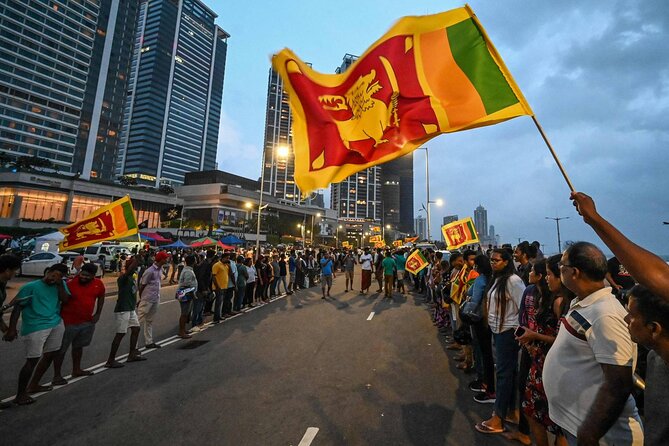
Sri Lanka’s current crisis gives this Colombo walking tour a serious purpose. Rather than treating the city as a string of photo stops, the experience connects food, fuel, electricity, politics, economics, and state-building to places you can see in person. Guide Chami leads the discussion in a documentary-style format, with plenty of information and room to form your own view.
I like the route’s mix of everyday Colombo and official power: Pettah market and Good market bring daily commerce into the story, while the World Trade Center, Old Parliament, and Independence Square show how the country presents itself. I also like the broad time frame, which runs from the creation of the modern state to current events.
The main consideration is that this is not a light sightseeing stroll. You should be genuinely interested in politics, economics, and recent events, and you should be ready for a dense two and a half hours. The price is reasonable for a small-group discussion, but less so if you mainly want landmark photos.
Key points to know before booking
- Chami leads an information-heavy social and political walk designed to feel more like a documentary than a standard city tour.
- The route links eight Colombo locations, including Port City, Pettah market, the World Trade Center, Old Parliament, Independence Square, and BMICH.
- The 5:00 pm start at The Kingsbury Colombo gives the walk an evening schedule and ends at BMICH.
- Sri Lanka’s current crisis is central to the discussion, including shortages of food, fuel, and electricity and their effect on business and healthcare.
- The maximum group size is 25 people, so the experience is capped rather than open-ended.
- The $35.99 price is strongest for curious, politically engaged visitors who want context as well as sightseeing.
Why this Colombo walk is different
Many city tours give you a date, a building, and a short explanation before moving on. This one uses Colombo as evidence for a larger story. The buildings and markets are not just things to pass on the way to the next stop. They help explain how Sri Lanka developed as a modern state and how present-day pressures affect ordinary life.
That approach makes the experience useful for a first visit, but it is not designed to cover every major tourist sight. You will not get a broad introduction to Colombo’s temples, colonial architecture, food, or nightlife. The focus stays on social and political questions.
I would think of the walk as a guided introduction to Sri Lanka’s public affairs. The discussion aims to be balanced rather than telling you what political view to adopt. That matters here, since the country’s recent crisis is a sensitive subject and easy explanations can miss the reasons behind it.
The format also suits people who want to do some first-hand research while in Colombo. You see the settings connected to the conversation instead of hearing a lecture in a hotel room. Still, the amount of information means you should arrive ready to listen, take mental notes, and ask questions if the format allows.
More walking tours in Colombo:
- Colombo Walking Tour with Ajeet De Soyza
★ 5.0 · 43 reviews - Glimpse Of Colombo City Walk
★ 4.5 · 11 reviews - Negombo Heritage Walking Tour
★ 4.7 · 27 reviews
Starting at The Kingsbury Colombo at 5:00 pm
The meeting point is The Kingsbury Colombo at 48 Janadhipathi Mawatha. The scheduled start is 5:00 pm, and the experience lasts about two hours and 30 minutes, so you should expect to finish around 7:30 pm, allowing for the approximate duration.
An evening start has practical appeal. You avoid the middle of the day, and the route moves through a city that is shifting from afternoon activity toward evening. The exact light and street conditions can affect how much detail you see at each location, so this is primarily a listening and discussion experience, not a photography-focused outing.
Bring the mobile ticket on your phone. The booking information says confirmation is provided at the time of booking, and the group can include up to 25 people. That is large enough to create a real group dynamic, but small enough for the guide’s voice and explanation to remain central.
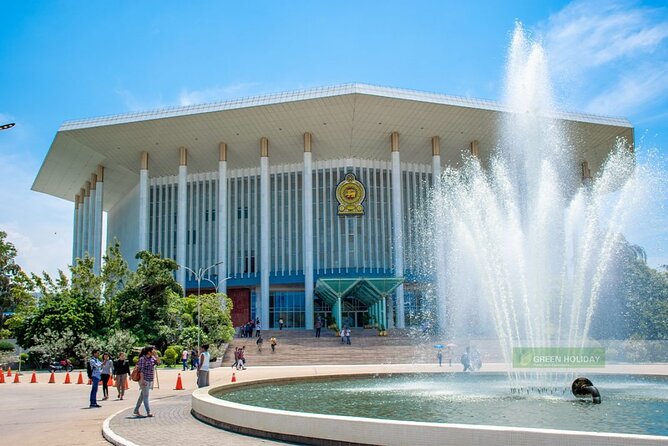
The route ends at BMICH, the Bandaranaike Memorial International Conference Hall, on Bauddhaloka Mawatha. Since the end point is not the starting hotel, plan your evening around finishing there rather than assuming you will return to The Kingsbury.
Colombo Port City and the question of modern development
Colombo Port City opens the route with one of the clearest symbols of modern development. Its presence lets the discussion move toward investment, urban change, public planning, and the way a country imagines its economic future.
For you, the value is not simply seeing a new project. The stop gives Chami a place to explain how development fits into the wider political and economic story. It can also raise questions about who benefits from major projects, how they are presented to the public, and how they relate to a country dealing with shortages and pressure on basic services.
This is a good early stop for setting the tone. You are not being asked to view Port City as automatically good or bad. Instead, it becomes part of a discussion about choices made by governments and the results those choices can produce.
The drawback is that a major development zone may be more useful as a talking point than as a traditional sightseeing stop. If you want ornate interiors or a long list of historic facts, this part may feel spare. If you want to understand the forces shaping modern Colombo, it earns its place.
Pettah market and everyday economic life
Pettah market brings the conversation down from national planning to street-level trade. This is where the tour can connect larger economic issues with the daily movement of goods, customers, and small businesses.
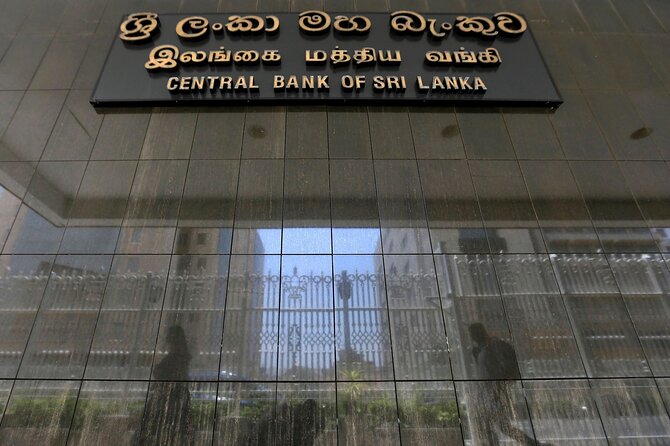
The stop is especially important because the experience addresses shortages of food, fuel, and electricity. Markets make those subjects easier to picture. You can consider how disruptions affect buying, selling, prices, supply, and work, rather than treating the crisis as an abstract headline.
Pettah also gives the route a more ordinary setting than the formal government buildings later on. That contrast is useful. A country’s political decisions may be made in offices and parliaments, but their effects show up in places where people buy necessities and earn a living.
Do not expect this to be a dedicated food tour or a shopping visit. The market is used to support the social and economic discussion. If you are hoping to spend time bargaining or sampling local products, the stop may feel brief. If you want a stronger sense of how national problems touch daily commerce, it is one of the route’s most useful locations.
Same base, a completely different day out:
- Colombo: Private Tuk-Tuk City Tour with All Entry Fees
★ 4.9 · 2,154 reviews - Sri Lanka Personal Tour Driver in private vehicle
★ 5.0 · 747 reviews - Colombo Tuk Tuk City Tour -Sightseeing Entry Fees & Food Included
★ 5.0 · 678 reviews - Udawalawe National Park: Elephant Safari with Expert Guide
★ 4.9 · 641 reviews
Good market and the social side of the crisis
Good market continues the focus on public life and commerce. Along with Pettah, it helps the walk compare different forms of market activity and gives the discussion another setting for examining how economic conditions affect people.
The supplied information does not specify how long the group stays at each stop, so you should not plan on extended browsing. The point is the connection between place and subject. Chami can use the market setting to discuss the human side of policy, scarcity, and changing economic conditions.
I like this part of the route because it keeps the experience from becoming a parade of government buildings. Political stories can become distant very quickly. A market reminds you that economic decisions are measured in practical terms: what is available, what costs more, and whether businesses can keep operating.
As with Pettah, keep your expectations clear. This is not presented as a food-focused stop, and no tastings are promised. Think of Good market as a working setting for the discussion, not a separate market excursion.
Tea Avenue and the Dilmah Building
Tea is one of the clearest international symbols associated with Sri Lanka, and Tea Avenue at the Dilmah Building adds a commercial and national identity angle to the route. The stop can connect a familiar export image with the broader story of how Sri Lanka presents itself at home and abroad.
The setting also gives the discussion a useful middle ground between markets and state institutions. Tea is a product, an industry, a brand, and part of the country’s international identity. That makes the Dilmah Building more than a quick name on the route, even though the available details do not promise a tasting, a retail stop, or an interior visit.
For you, the benefit is context. A familiar subject can make the wider economic discussion easier to follow. You may find that the stop works best when you listen for how business, national image, and public policy overlap.
If you are choosing this walk because you want to sample Sri Lankan tea, adjust your expectations. The experience is about the political and social story, not a tea workshop.
The World Trade Center and Colombo’s economic ambitions
The World Trade Center gives the walk another modern reference point. Its name and setting naturally lead into questions about commerce, international business, finance, and Colombo’s role in the country’s economic plans.
Placed beside Pettah and Good market, it creates a helpful contrast. The markets show local trade and daily needs. The World Trade Center points toward a more formal, international side of the economy. Together, these locations help you see that Colombo’s economic life is not one single thing.
This stop can also sharpen the discussion of the current crisis. A city may contain symbols of international business while facing serious problems with essential supplies, power, and public services. That contrast is not a contradiction to brush aside. It is one of the questions the walk is built to examine.
I would expect this section to suit visitors who want more than a simple account of Sri Lanka’s tourist economy. It asks you to think about the relationship between business confidence, public decisions, and life outside corporate offices.
Old Parliament and the machinery of political power
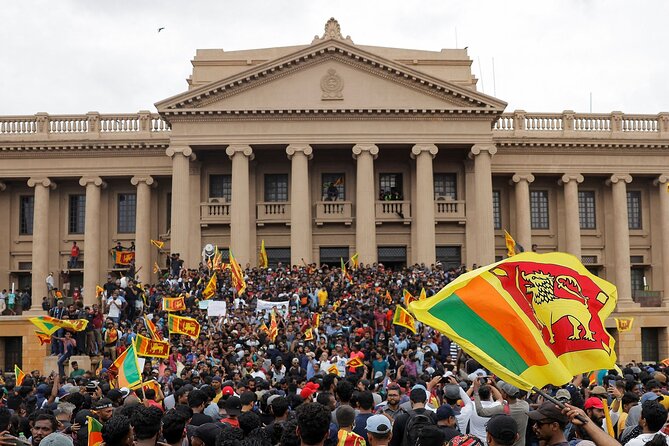
Old Parliament shifts the route toward formal government and the history of political decision-making. Here, the conversation can tie the modern state to the institutions that have shaped it.
This is likely one of the most useful stops for putting current events into context. Without some background on how the state was formed and how political power developed, the latest crisis can seem sudden or confusing. The walk’s stated time frame, from the creation of the modern state to today, gives this building a clear role.
The setting also creates a counterpoint to Pettah. At the market, you look at the effects of economic conditions. At Old Parliament, you consider the institutions and decisions that help create those conditions.
Do not expect a full parliamentary tour or an interior visit, since no such access is specified. The value comes from the explanation and the building’s place in the route. If you prefer political history to architectural commentary, this should be a strong section.
Independence Square and the meaning of national identity
Independence Square offers a natural place to discuss nationhood, public memory, and the story Sri Lanka tells about itself. The location connects the political past with the idea of an independent modern state.
This stop should help you understand why national symbols matter. Independence is not only a date in a textbook. It shapes public ceremonies, monuments, civic identity, and the way a country explains its place in the world.
The site also lets the walk return to the balance between official stories and lived experience. National symbols can express unity, but a country may still face sharp social and economic strains. Holding those two ideas together is part of the point of this experience.
For photography, the square may be appealing, but the discussion remains the main event. The stop is most valuable when you pay attention to how history, identity, and current political arguments connect.
Finishing at BMICH
The walk ends at BMICH, the Bandaranaike Memorial International Conference Hall, on Bauddhaloka Mawatha. As a major conference venue, it provides a fitting final setting for a tour concerned with public affairs, diplomacy, state institutions, and the country’s place in regional and international discussions.
Ending here also gives the route a clear arc. You begin with markets and economic activity, pass through modern commercial and civic landmarks, and finish at a formal public institution. The sequence moves from daily life to national identity and international-facing politics.
Because the end point is fixed and separate from the start, make a plan for what you will do next. The supplied details do not include return transport or a final transfer, so do not assume the tour brings you back to The Kingsbury.
Is $35.99 fair for two and a half hours?
At $35.99 per person, the price makes the most sense if you value a guided explanation of Sri Lanka’s politics and economics. You are paying for the route, the guide’s preparation, and the chance to connect several Colombo sites into one clear discussion.
The price is less compelling if your goal is a standard landmark tour. The walk does not promise entry to every building, food tastings, shopping time, or transport between stops. Its value rests on interpretation, not on the number of included attractions.
The maximum group size of 25 helps keep the cost within reach while placing a limit on the crowd. Chami is described as very well informed, and the strongest praise focuses on the way the tour combines recent history and economic and political background with real Colombo locations.
I would compare this price with what you want to learn. For a visitor already reading about Sri Lanka’s crisis, this walk can organize the subject and place it in the city. For someone seeking an easygoing introduction with little serious discussion, another type of Colombo tour may fit better.
Who should book this experience?
You should consider booking if you have a genuine interest in:
- Sri Lanka’s recent political and economic story
- The creation and development of the modern state
- The causes and effects of the current national crisis
- The relationship between markets, business, government, and public life
- Seeing Colombo through civic and political landmarks
- Listening to a guide such as Chami explain complex issues in a structured way
You may want to skip it if you mainly want temples, colonial buildings, local food, shopping, or relaxed sightseeing. The walk is information-heavy, and the subject matter can be serious.
Most people can participate, according to the booking details. The experience depends on good weather, and it also requires a minimum number of participants. If poor weather or low enrollment cancels the walk, you can choose another date or experience, or receive a full refund.
Free cancellation is available up to 24 hours before the start time. Cancel within 24 hours, and the amount paid is not refunded. That policy matters because the walk begins at a set time and weather affects whether it can operate.
My verdict on the Colombo Social and Political Walk
I would book this for a visitor who wants to understand Colombo beyond its postcard sights. The route brings together Port City, markets, business landmarks, political buildings, Independence Square, and BMICH, while Chami provides the thread linking them.
The best feature is the combination of recent events and physical places. You do not just hear that Sri Lanka has faced shortages and institutional strain. You consider those problems beside markets, commercial centers, national symbols, and government sites.
The main caution is equally clear: this is a serious, discussion-led walk. At $35.99, it offers solid value for politically curious visitors, especially those who want balanced background before forming their own views. If that sounds like your kind of afternoon or evening, meet at The Kingsbury at 5:00 pm and expect Colombo to function as both classroom and subject.
FAQ
How long does the Colombo Social and Political Walk last?
The walk lasts approximately two hours and 30 minutes.
What time does the experience begin?
The scheduled start time is 5:00 pm.
Where does the walk begin?
It begins at The Kingsbury Colombo, 48 Janadhipathi Mawatha, Colombo, Sri Lanka.
Where does the walk end?
The experience ends at BMICH, the Bandaranaike Memorial International Conference Hall, on Bauddhaloka Mawatha, Colombo 00700.
What places are included on the route?
The route includes Colombo Port City, Pettah market, Good market, Tea Avenue at the Dilmah Building, the World Trade Center, Old Parliament, Independence Square, and BMICH.
How much does the experience cost?
The listed price is $35.99 per person.
How many people can join the walk?
The maximum group size is 25 people.
Can I cancel for a full refund?
Yes. You can cancel at least 24 hours before the local start time for a full refund. Cancellations or changes made within 24 hours are not refunded or accepted.
Recently added around Colombo
- Yala Safari All-Inclusive Package with Convenient Pick Up★ 4.4 · 3 reviews
- Wilpattu: Private Safari Day Trip with Lunch & Entry Fees★ 4.6 · 9 reviews
- Tuk Trip is Very Cheap in Colombo (All-inclusive ) city tour★ 3.4 · 5 reviews
- Tuk Tuk Tales of Colombo From Cruies★ 4.6 · 4 reviews
- Tuk Trip is Very Cheap in Colombo (All-inclusive ) city tour★ 4.5 · 5 reviews
- Colombo Shore Excursion from Cruise Port – Private Small Group★ 5.0 · 6 reviews
- White Water Rafting at Kitulgala★ 4.0 · 9 reviews
- Yala Full Day Safari with Picnic Lunch – Private & All Inclusive★ 5.0 · 8 reviews
Colombo Walking Tours, compared.
Browse the lists this tour appears in