
Review · COLOMBO COOKING CLASSES
Cooking Classes in Sri Lanka
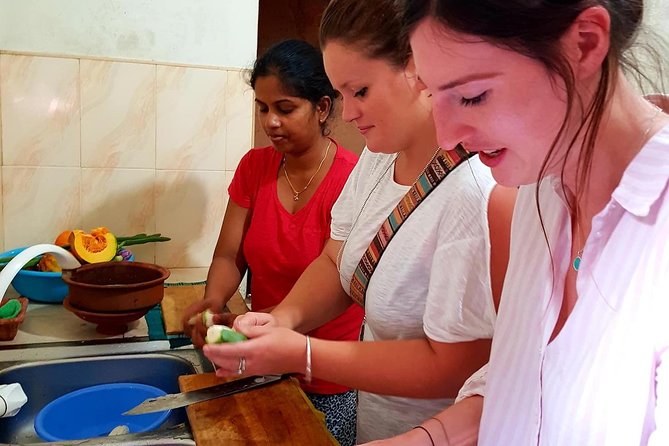
Sri Lankan cooking is best learned with your hands, not from a printed recipe. In this private Negombo class, you enter a family home, learn to make coconut milk, chop your own vegetables, handle local spices, and eat the meal you prepare.
I like the small private setting, which lets you ask questions and work at your own pace. I also like the welcome tea or coffee and the chance to make fresh coconut sambal and dhal, two simple dishes that show how much flavor can come from everyday ingredients. The main consideration is that the class takes place at a family home, not a polished cooking school, so expect a personal household setting rather than a formal studio.
Key points to know before booking
- Cook in a real family home: You learn Sri Lankan food in the setting where everyday meals are prepared.
- Make coconut milk from scratch: This is one of the most useful skills in the class and a key part of many Sri Lankan curries.
- Choose and chop your own vegetables: The class is hands-on, not a demonstration where you simply watch.
- Learn by sight and feel: You receive practical guidance on spices, herbs, cutting, and cooking without relying on fixed recipes.
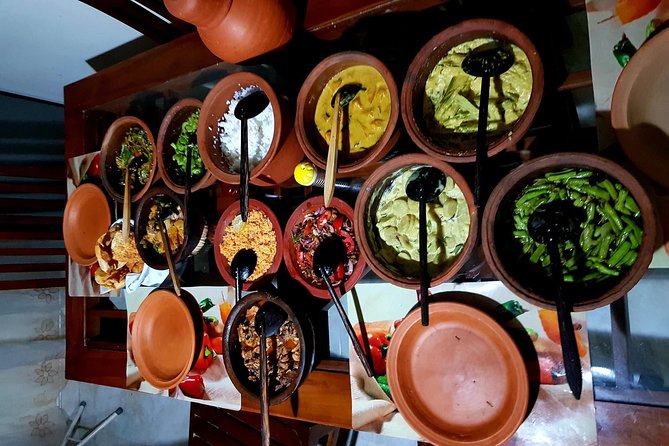
- Finish with dinner and dessert: You sit down at the end to eat the curry, rice, and other dishes you helped prepare.
- Add a market visit if you want more context: The upgrade lets you choose vegetables and hear about local spices and herbs before cooking.
Why this Negombo cooking class feels different
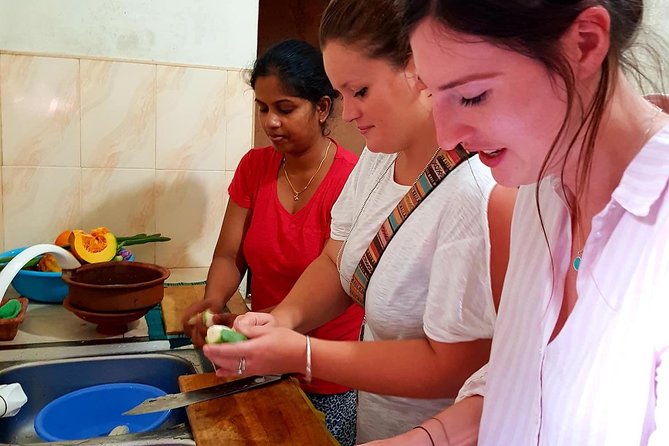
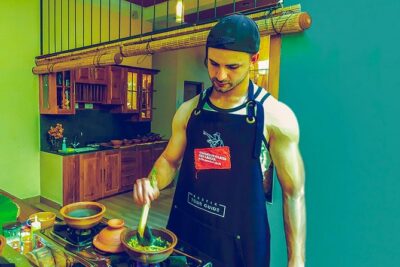
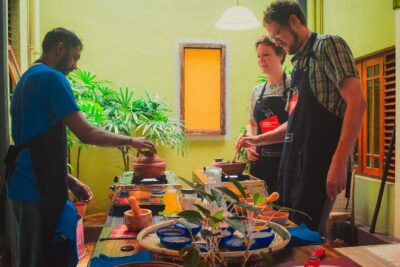
Many cooking classes are built around a neat recipe card and a quick demonstration. This one takes a more local route. You are welcomed into a family home in Andiambalama, near Katunayake and Negombo, and shown how food is prepared in an ordinary household setting.
That matters because Sri Lankan cooking often depends on judgment. The amount of coconut milk, the texture of chopped vegetables, and the point at which spices are ready can matter as much as a written measurement. Here, you learn through watching, touching, cutting, and tasting.
The class lasts about three hours. That is long enough to prepare several parts of a meal without turning the evening into a full-day project. You get a proper meal at the end, so the price of $45 per person covers both instruction and dinner rather than just a short cooking demonstration.
This is a private activity, so only your group takes part. That makes the class a good choice if you want to ask basic questions, need help with chopping, or prefer not to keep pace with a large group. It also means the mood can be relaxed and informal.
More cooking classes in Negombo:
- Cooking Class and Market Visit in Negombo
★ 5.0 · 4 reviews - Colombo Cooking Class
★ 5.0 · 151 reviews - Market Tour and Hands-On Cooking Class Colombo
★ 5.0 · 140 reviews
Starting with tea, coffee, and a family welcome
Your visit begins with tea or coffee. This small detail sets the tone. You are not rushed straight into a lesson, and you have a moment to settle into the home before handling ingredients.
The welcome is especially useful if this is one of your first activities in Negombo. You can get comfortable with the setting, meet the host, and understand how the session will work. The class is designed as a direct exchange with a local cook, though no guide name is provided in the available details.
Do not expect a formal introduction with a long lecture about Sri Lankan cuisine. The emphasis is on doing. You move from the welcome drink into the kitchen and begin learning the basic building blocks of the meal.
Making coconut milk from scratch
One of the most useful parts of the class is learning how to make coconut milk. Coconut milk is central to many Sri Lankan dishes, and seeing the process from the beginning helps explain the creamy texture and gentle sweetness in the finished curry.
You are given an idea of how the coconut is handled and how the milk is prepared. This is more instructive than simply adding coconut milk from a carton or can because you see how a common household ingredient becomes part of the cooking process.
The session is not just about copying one dish. It gives you a technique you can take home and use with other curries, soups, or rice dishes. If you enjoy learning the reason behind a flavor, rather than just following instructions, this part will likely be one of the highlights.
The class does not promise a detailed recipe booklet, and that is worth noting. You will learn directly from the host, but you may need to take your own notes if you want to reproduce every step later.
Choosing vegetables and preparing the curry
Next, you choose which vegetables you want to make as curry. This gives the meal a personal touch and makes the class suitable for people who prefer vegetarian food. The activity is also described as suitable for both vegetarian and non-vegetarian participants, though the supplied details do not specify which meat or fish dishes may be available.
You then cut and chop the vegetables yourself. This is not a watch-only lesson. You take part in the preparation, with the host showing you how the ingredients are handled before they go into the pot.
For an experienced home cook, the chopping may seem basic. For you, that hands-on work is useful because it connects the ingredients to the finished meal. You see how much preparation goes into a curry and how vegetables are treated differently depending on their size and texture.
This is also where the private format helps. You can ask how finely to cut something, check whether a spice is ready, or pause to watch a step again. In a larger group, that kind of help can be harder to get.
A few more Negombo trips to compare
- Cooking Class Sri Lanka with Locals
★ 5.0 · 101 reviews - Colombo Cooking Experiance with Explore Market
★ 4.7 · 33 reviews - Authentic Sinhalese Cooking Class in Colombo with a Local Family
★ 5.0 · 9 reviews - Vegan Cooking Class Colombo with Market Tour
★ 5.0 · 9 reviews
Learning Sri Lankan spices and herbs
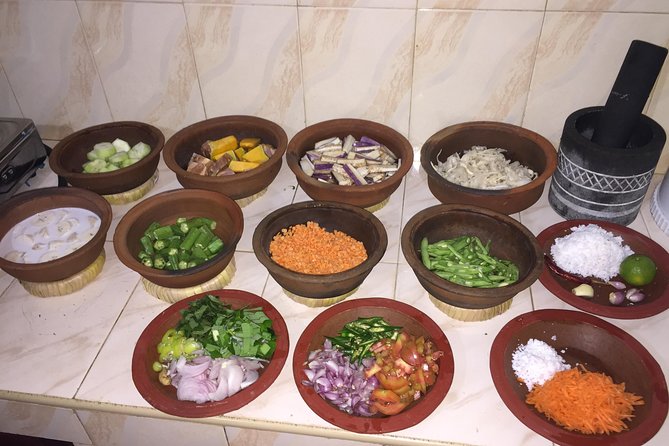
The host also introduces you to Sri Lankan spices and herbs. This is an important part of the class because the flavor of the meal comes from more than one curry powder added at the end.
You learn how these ingredients are used in the cooking process and how they affect the finished dish. The lesson is practical rather than academic. You are there to understand how the spices work in a home kitchen, not to memorize a long list of regional ingredients.
That practical approach is one reason the class has earned a 5 out of 5 rating from 110 reviews, with 99 percent recommending it. The strongest praise centers on the relaxed, hands-on style and the pleasure of making fresh coconut sambal and dhal together.
Still, you should set realistic expectations. The available information does not promise a full lesson on every spice in Sri Lankan cuisine, nor does it list exact dishes beyond curry, rice, coconut milk, coconut sambal, dhal, and dessert. You will learn useful foundations rather than complete culinary training.
Cooking, tasting, and sitting down for dinner
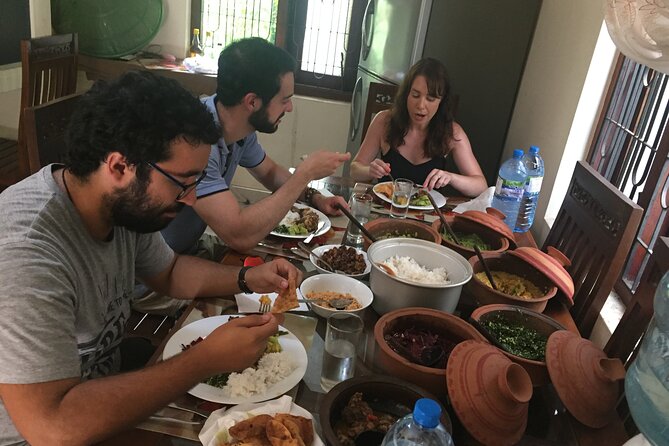
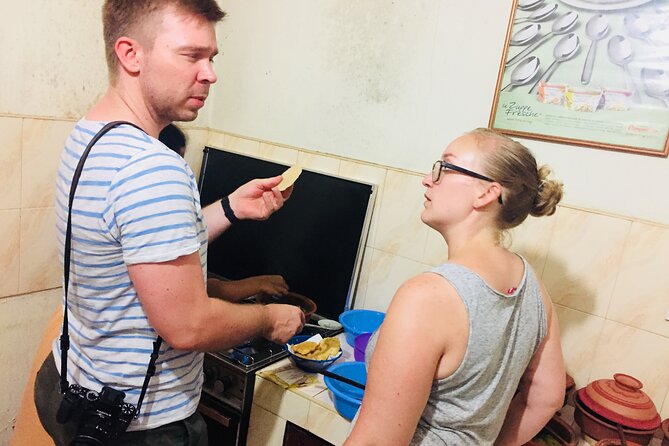
Once the vegetables and seasonings are ready, you learn how to cook the meal. The host guides you through the process, showing you how the ingredients come together.
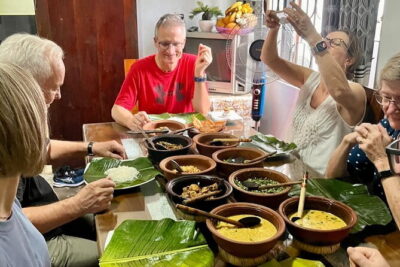
The reward comes at the end, when you sit down to eat what you helped prepare. That dinner is more than a convenient finish. It lets you taste the effect of the methods you just practiced and gives the class a clear sense of purpose.
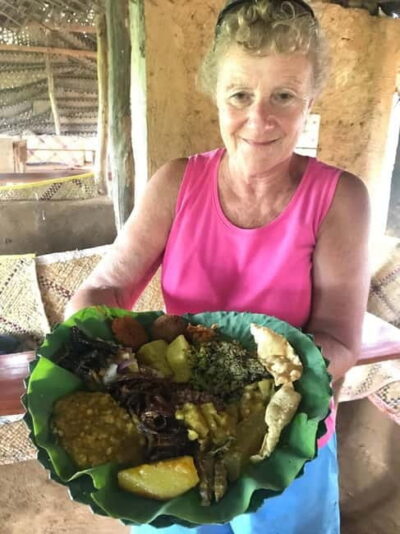
Rice forms part of the meal, along with curry and other items prepared during the session. Fresh coconut sambal and dhal are among the dishes associated with the class, and a traditional Sri Lankan dessert is also served.
The meal should suit you if you enjoy a shared, home-style dinner more than a restaurant tasting menu. It may not suit you if you want a highly polished menu with several restaurant-style courses. The strength here is the link between kitchen work and the food on your plate.
The relaxed pace is another plus. An experience lasting about three hours gives you time to cook, eat, and talk without making the evening feel like a rushed appointment.
Adding the market visit
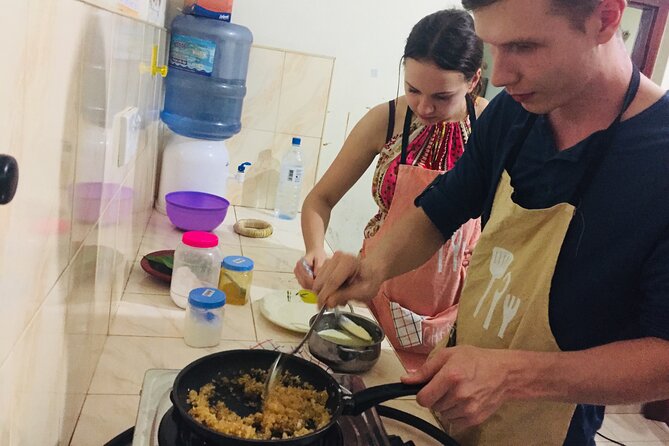
You can upgrade the activity to include a market visit. This adds another layer to the class because you help choose the vegetables used in your meal and hear more about local spices and herbs.
The market option is worth considering if you want help understanding ingredients before reaching the kitchen. It can make the later preparation more meaningful because you have seen the vegetables, selected them, and then watched them become part of dinner.
The available details do not state how long the market visit lasts, which market you visit, or how much the upgrade costs. You should check those points when booking if the market is important to your plans.
Without the upgrade, the cooking class still includes choosing vegetables and learning about spices and herbs. So the market add-on is best viewed as extra local context, not a requirement for getting the main cooking lesson.
The $45 price and what you receive
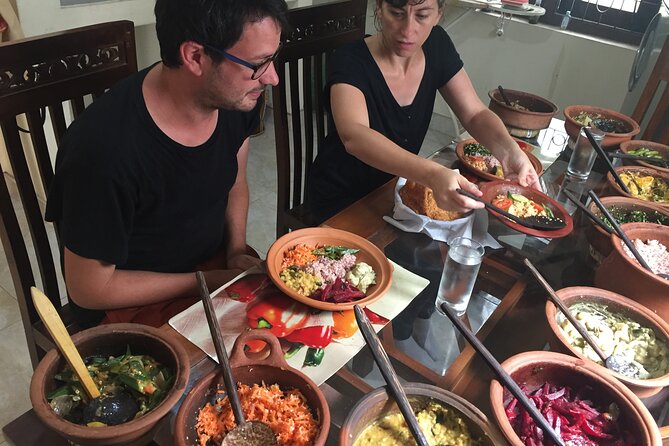
At $45 per person, this is not the cheapest way to spend three hours in Negombo. It is also more than a simple restaurant meal. The value comes from combining private instruction, ingredient preparation, a home setting, and dinner in one activity.
You are paying for access to something that can be difficult to arrange independently. A home cook is showing you everyday methods, and you get to take part rather than simply observe. You also avoid paying separately for a meal after the class.
For couples, families, and small groups, the private format can make the cost easier to justify. You receive direct attention and can shape the vegetable choices around your preferences. Solo visitors may still find value in it, but the cost is naturally more noticeable when spread across only one person.
The class is often booked about 36 days ahead, so it is sensible to reserve early if your dates are fixed. At the same time, the host has accepted bookings with less than 24 hours notice, so last-minute availability may sometimes be possible. I would not rely on that during a busy period.
Location, timing, and practical details
The meeting point is listed as Negombo Cooking Class, Andiambalama, Katunayake, Negombo 11450, Sri Lanka. The activity ends back at the same meeting point.
The location is near public transportation, which is useful if you are staying in the Negombo area. The supplied information does not state whether hotel pickup is included, so you should plan to reach the meeting point yourself unless the provider confirms another arrangement.
A mobile ticket is accepted, and confirmation is provided when you book. The class takes about three hours, so allow extra time for getting to the meeting point and returning to your accommodation.
This experience requires good weather. If poor weather forces a cancellation, you are offered another date or a full refund. You can also cancel for a full refund up to 24 hours before the start time. Changes or cancellations made less than 24 hours before the start are not accepted for a refund.
Who will enjoy this class most
I would choose this class if you want a personal introduction to Sri Lankan food and prefer participation over sightseeing. It suits people who like to ask questions, work with ingredients, and eat a meal connected to the lesson.
It is also a strong choice for vegetarians because you choose the vegetables used for the curry. Non-vegetarian diners can join too, although you should confirm the exact menu if meat or fish is important to you.
Families and couples should appreciate the private format. A small group can work together without competing for a chopping board or trying to hear instructions across a crowded room.
You may want to skip it if you dislike home settings, do not enjoy hands-on food preparation, or want a tightly scheduled professional cooking course. This is a local household experience, and its charm comes from that informal character.
Should you book the Negombo cooking class?
Book it if you want to understand Sri Lankan food through ordinary kitchen skills rather than restaurant presentation. The strongest reasons are the private family-home setting, fresh coconut milk, hands-on vegetable preparation, spice guidance, and the dinner you eat at the end.
The optional market visit is a good addition if you want more help identifying local produce and seasonings. If your main goal is simply to cook and eat, the standard three-hour class already covers the central experience.
At $45, the class offers solid value for a private lesson with dinner included. I would reserve ahead because it is commonly booked more than a month in advance, but I would also check last-minute availability if your Negombo plans are still changing.
FAQ
Where does the cooking class meet?
The meeting point is Negombo Cooking Class in Andiambalama, Katunayake, Negombo 11450, Sri Lanka. The activity ends back at the same meeting point.
How long does the cooking class last?
The experience lasts approximately three hours.
Is this a private activity?
Yes. Only your group participates in the activity.
What food will I learn to prepare?
You learn how to make coconut milk, curry, rice, and other Sri Lankan dishes. The class also includes guidance on vegetables, spices, herbs, and traditional dessert. Fresh coconut sambal and dhal are among the dishes associated with the lesson.
Can vegetarian participants join?
Yes. The class is suitable for vegetarian and non-vegetarian participants, and you can choose which vegetables to prepare as curry.
Is a market visit included?
A market visit is available as an optional upgrade. It allows you to choose vegetables and learn more about local spices and herbs.
What is the cancellation policy?
You can cancel up to 24 hours before the start time for a full refund. Cancellations or changes made less than 24 hours before the start are not accepted for a refund. If poor weather or an insufficient minimum number of participants causes cancellation, you are offered another date, another experience, or a full refund.
More Workshops in Negombo
- Cooking class in Srilanka
★ 5.0 · 8 reviews - Market Tour and Cooking Class from Colombo
★ 5.0 · 5 reviews - Colombo: Jewelry Workshop Experience 3-6 Hours-Free Jewelry
★ 3.8 · 3 reviews
Recently added around Negombo
- 9 Days Guided Tour Through Sri Lanka★ 5.0 · 4 reviews
- Pinnawala private day trip from colombo or negombo★ 5.0 · 4 reviews
- Wonderful Srilankan 14 Days Tours★ 5.0 · 6 reviews
- The Most popular Personalized round Tour In Sri Lanka-Day Charged★ 5.0 · 6 reviews
- Transfer between Colombo (CMB) Airport and Galle Face Hotel★ 5.0 · 4 reviews
- Ten Days Scenic Sri Lanka★ 5.0 · 3 reviews
- Private Tour Experiences Across Sri Lanka★ 5.0 · 4 reviews
- 08 Days private round trip in Sri Lanka★ 4.5 · 3 reviews
Colombo Cooking Classes, compared.

Authentic Sinhalese Cooking Class in Colombo with a Local Family
Read our review →
Browse the lists this tour appears in